

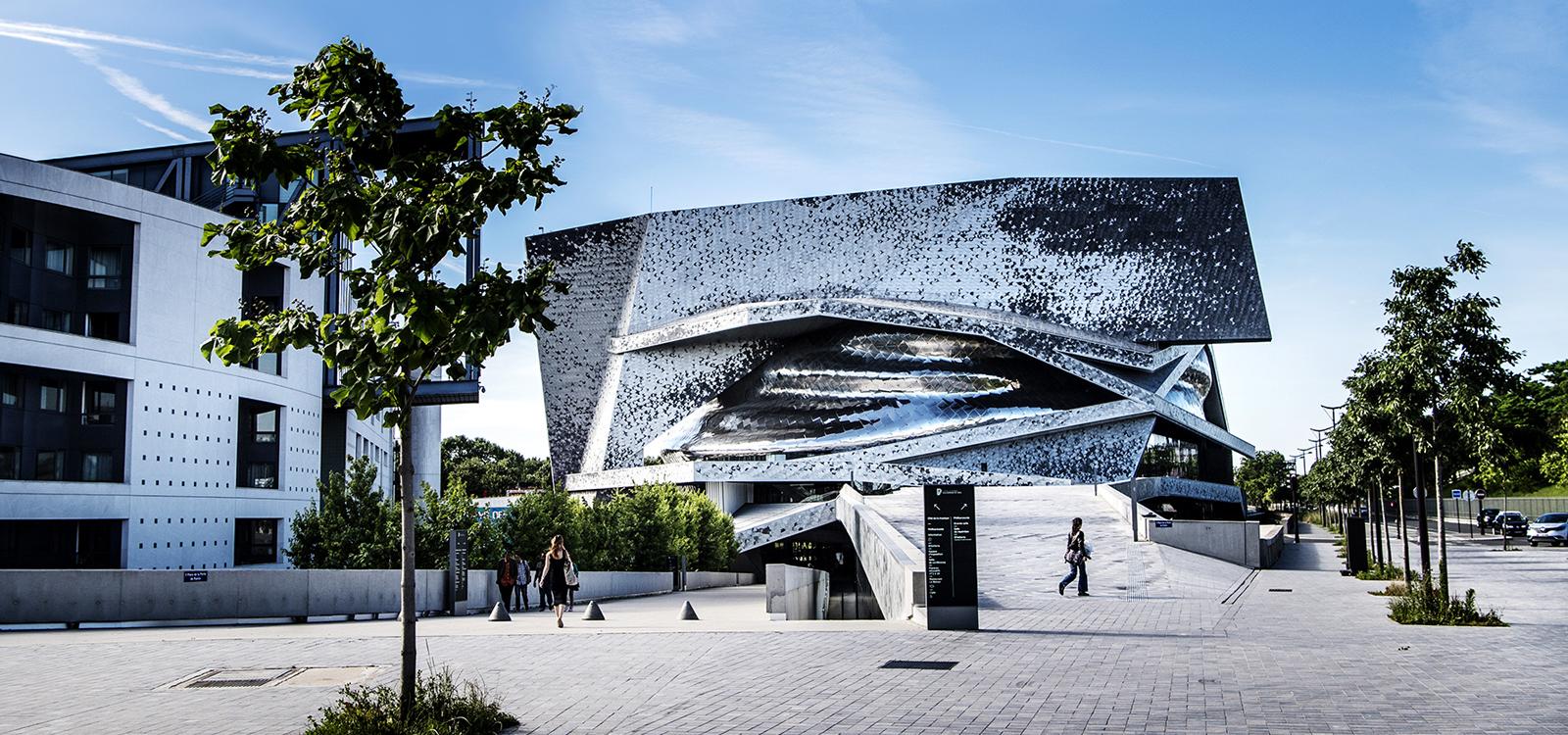
Our History
Discover the history of the Cité de la Musique – Philharmonie de Paris through the key dates that have shaped its history.
1981
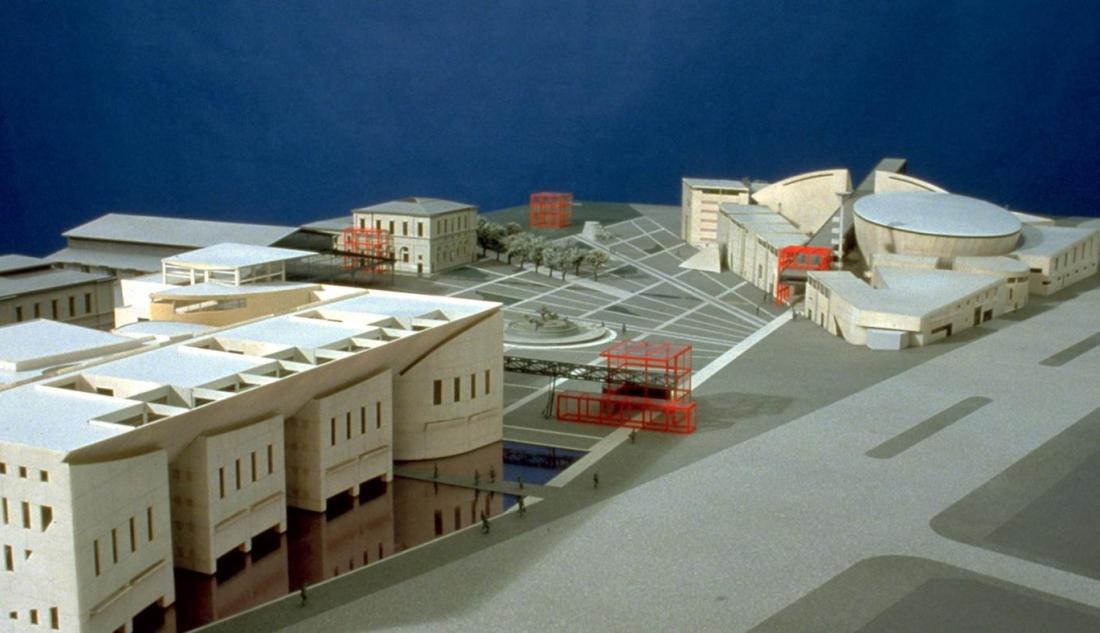
Naissance du projet de la Cité de la musique
La réhabilitation du site de la Villette, au cœur de la politique de Grands travaux de François Mitterrand, permet la réalisation d’un vœu de Pierre Boulez : rapprocher étudiants et professionnels de la musique. Ainsi naît le projet conjoint de la Cité de la musique et du Conservatoire national supérieur de musique et de danse, dont la réalisation est confiée à l’architecte Christian de Portzamparc.
1995
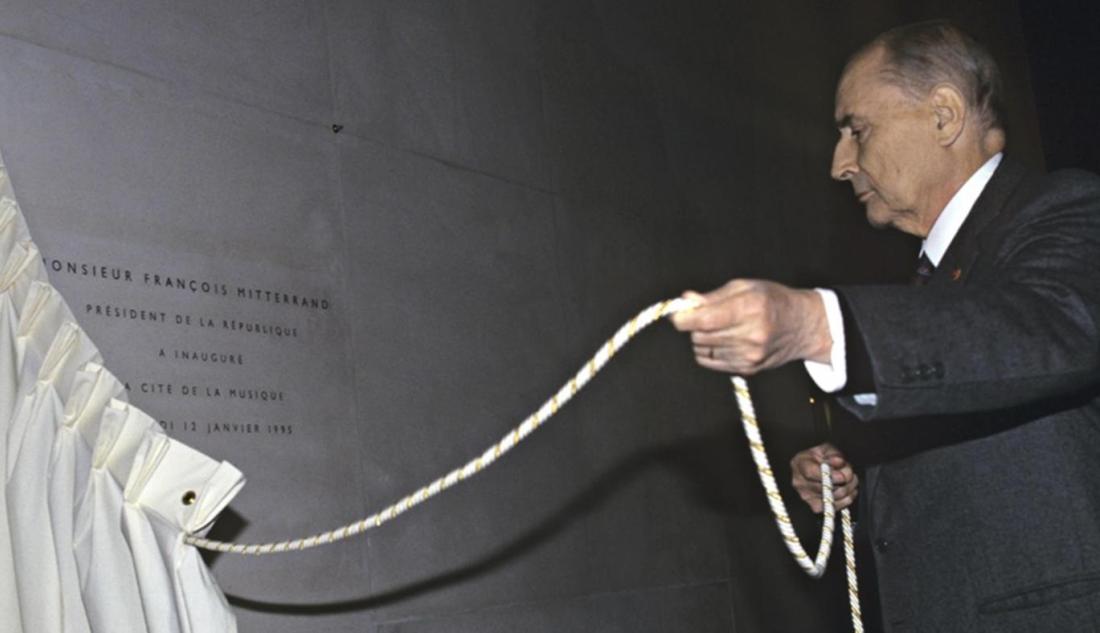
Inauguration de la Cité de la musique
La Cité de la musique ouvre ses portes le 12 janvier 1995 avec un concert dirigé par Pierre Boulez et William Christie. Sa Salle des concerts est conçue pour accueillir tous les types de musique, du répertoire symphonique aux musiques actuelles en passant par la création contemporaine. Le nouvel établissement comporte également un amphithéâtre, des salles de répétition, des espaces pédagogiques et bientôt un musée. Le gouvernement confie la direction de l’établissement à Brigitte Marger.
1997
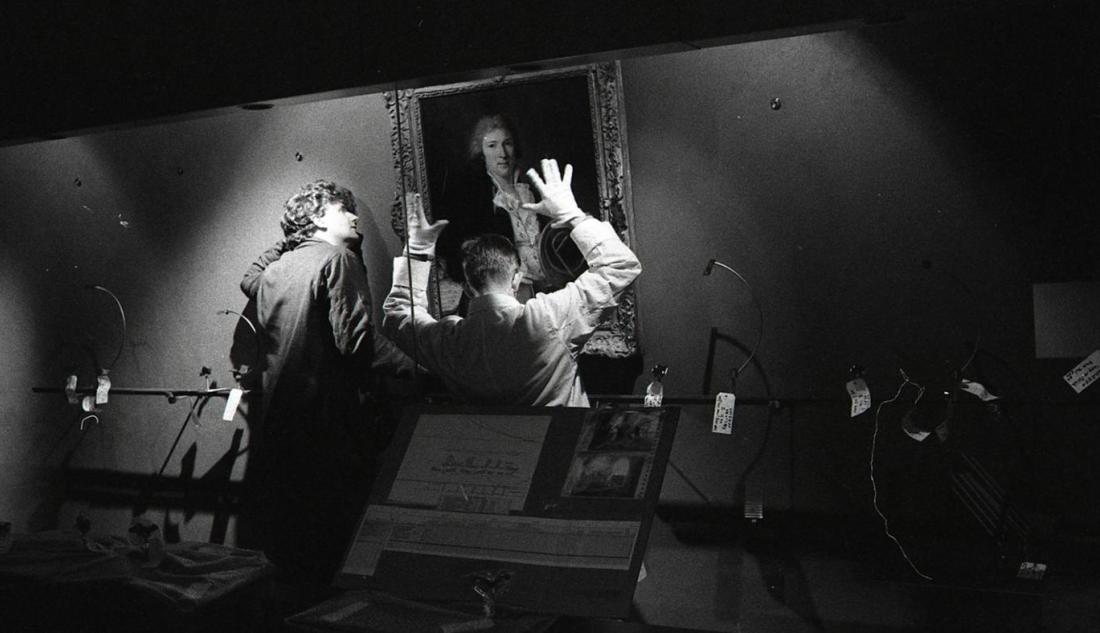
Ouverture du Musée de la musique
Descendant direct du Musée instrumental du Conservatoire de musique de Paris ouvert au public en 1864, le Musée de la musique réunit la collection d’instruments la plus importante d’Europe. En 1997, cette dernière s’installe à la Cité de la musique, au sein d’un espace conçu et scénographié par l’architecte Franck Hammoutène.
1998
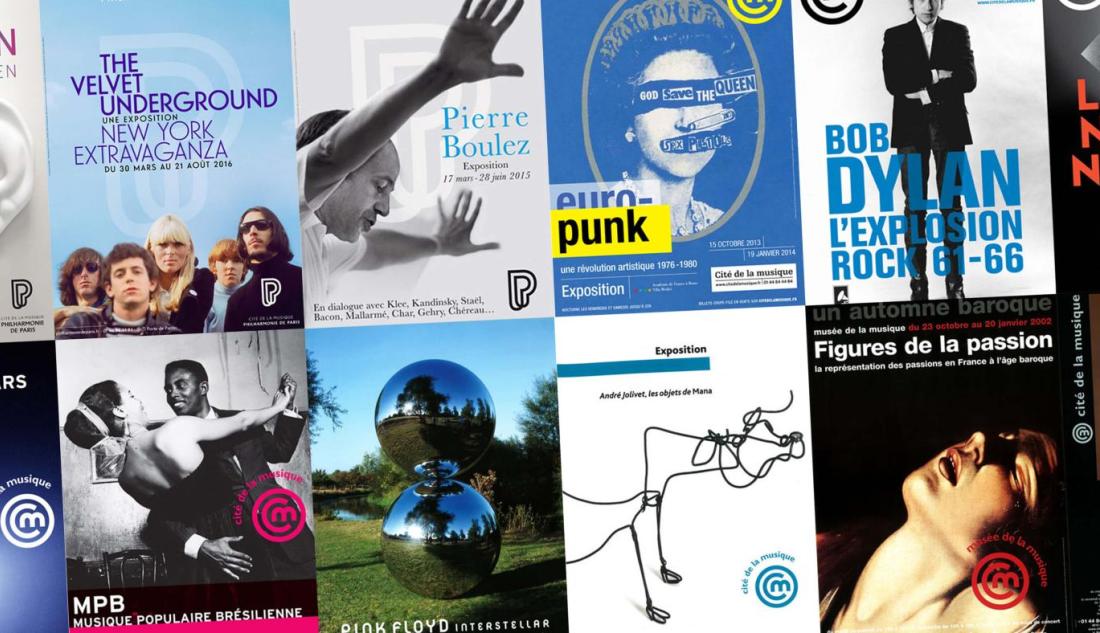
Première exposition temporaire au musée
Les expositions du Musée embrassent l’ensemble des domaines de la musique, toutes époques et styles confondus. Dès 1998, deux expositions sont présentées au public, l’une consacrée aux instruments de Jean-Baptiste Vuillaume, l’autre aux harpes d’Afrique. Depuis, plus de 50 expositions y ont été montées.
2002
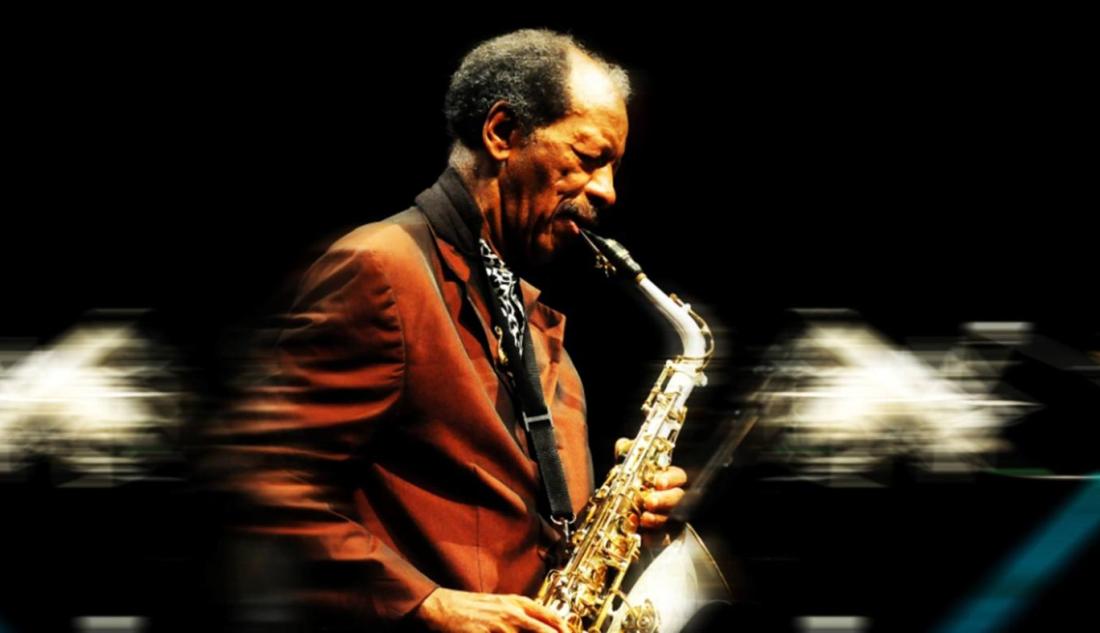
Première édition du festival Jazz à la Villette
Héritier de Halle That Jazz (1986-1995) et Villette Jazz Festival (1996-2001), Jazz à la Villette voit le jour en septembre 2002 et s’impose rapidement comme l’événement jazz de la fin de l’été à Paris. Le festival s’ouvre à toutes les nuances du jazz et accueille dès sa création une dimension pédagogique. Un volet à destination des enfants complétera par la suite la programmation.
2003
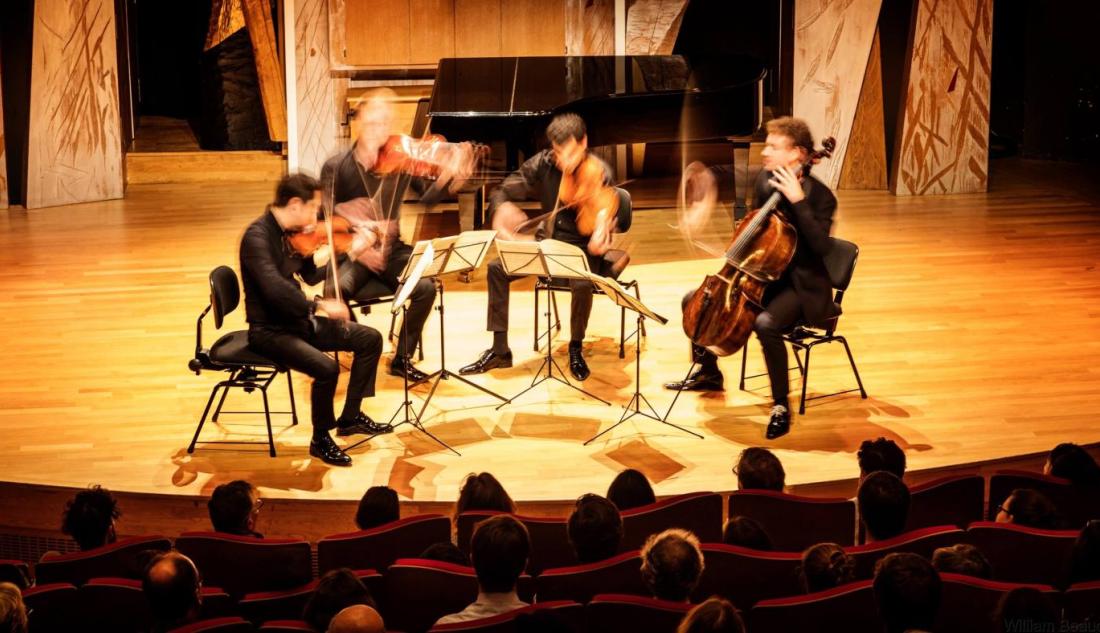
Première biennale de quatuor à cordes
Le quatuor à cordes trouve avec le festival que lui consacre la Cité de la musique son grand rendez-vous hexagonal. Chaque édition réunit les meilleures formations autour d’un compositeur ou d’un thème. La Biennale est l’occasion de développer le répertoire du quatuor à cordes en passant commande d’œuvres nouvelles.
2005
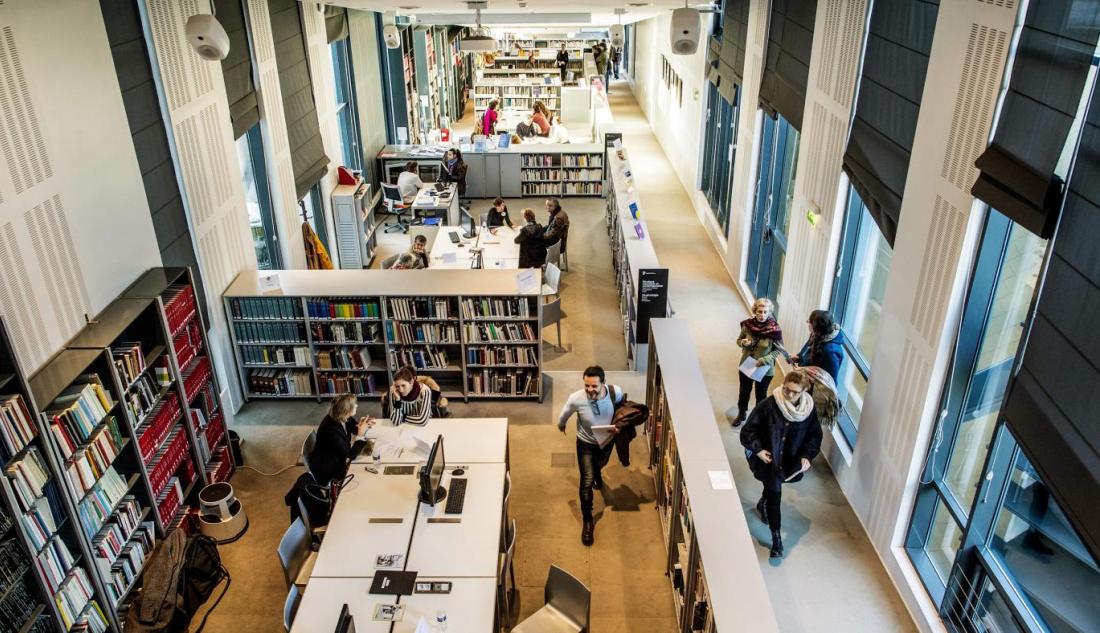
Inauguration de la Médiathèque
Accessible aux professionnels comme au grand public, la Médiathèque réunit les trois centres documentaires de la Cité de la musique : le centre d’informations musicales, qui informe et oriente les musiciens ; le centre de documentation du Musée, consacré à la facture instrumentale ; la médiathèque pédagogique, destinée aux enseignants. Elle rassemble plus de 70 000 documents physiques, auxquels s’ajoutent quelque 50 000 ressources numériques en ligne.
2006
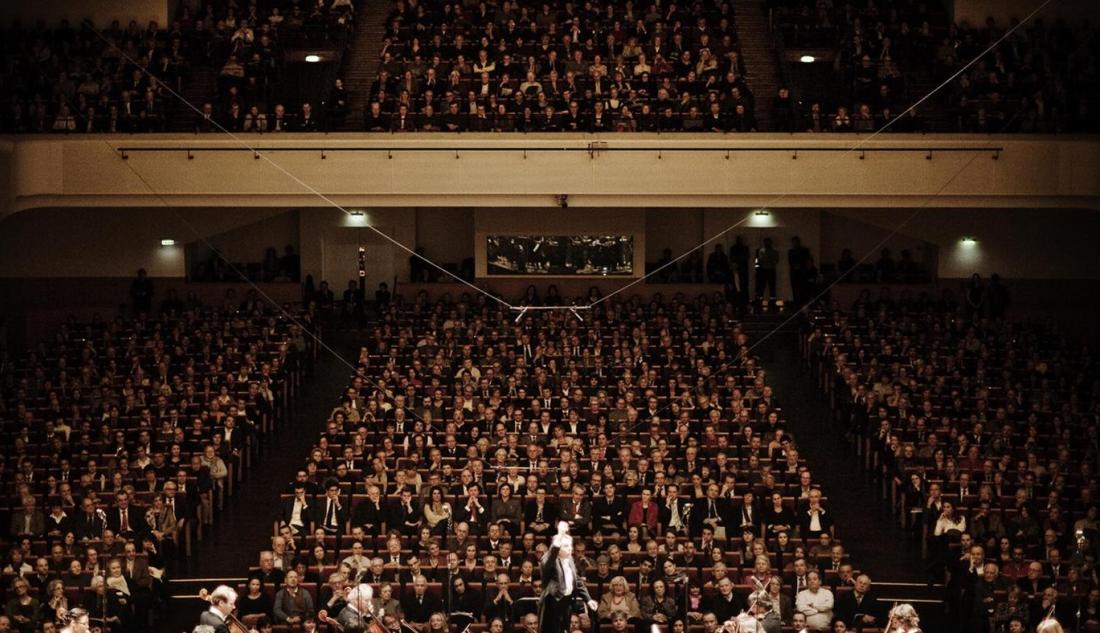
Réouverture de la salle Pleyel
Après d’importants travaux, dont la création de gradins destinés à accueillir du public ou un chœur en arrière-scène, la gestion de la Salle Pleyel est confiée par l’État à la Cité de la musique. L’Orchestre de Paris fait son retour dans la salle de la rue du faubourg Saint-Honoré, qui accueille également les grands orchestres internationaux.
2006
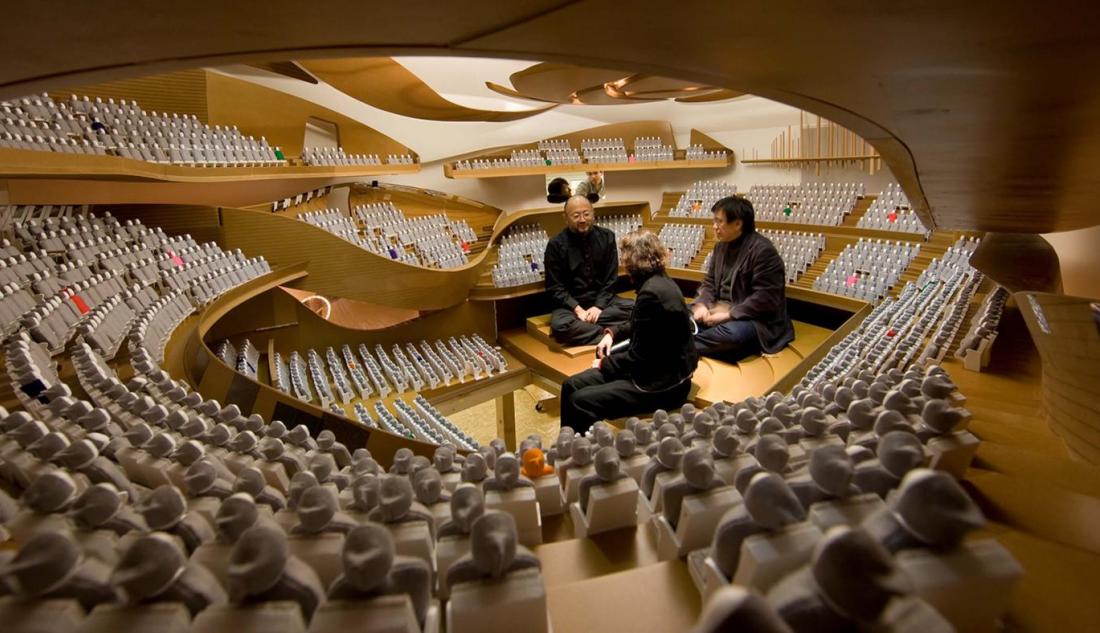
Annonce officielle de la construction d'une salle de spectacle sur le site du Parc de la Villette
Ce projet vient compléter celui de la Cité de la musique, concrétisant ainsi le rêve de Pierre Boulez : doter Paris d’une salle de concert taillée pour les plus grands orchestres symphoniques et à même d’offrir à plusieurs milliers de spectateurs des conditions d’écoute optimales.
2007
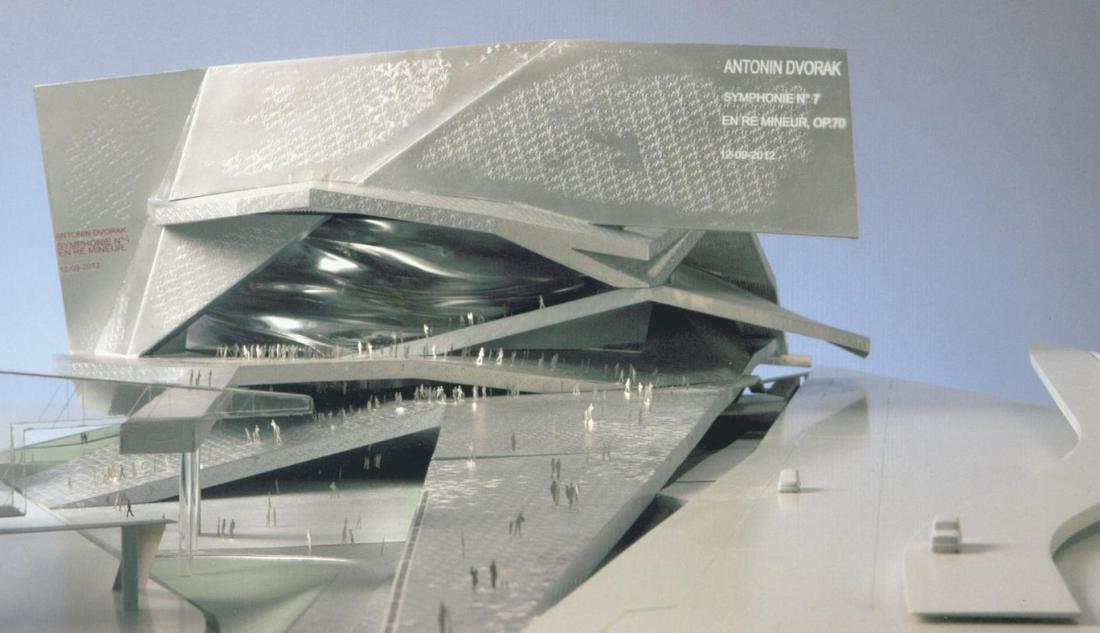
Choix du projet architectural de Jean Nouvel
Le 5 avril 2007, le résultat du concours international d’architecture consacre le projet de Jean Nouvel. Ce dernier conçoit la Philharmonie comme un bâtiment minéral s’intégrant à la fois au Parc de la Villette et à la Porte de Pantin, une colline que tout un chacun peut parcourir, un repère visuel pour les habitants du nord-est parisien et de sa proche-banlieue.

2010
Lancement du projet Démos
Parrainé par Lilian Thuram et Khatia Buniatishvili, Démos permet à des enfants issus de zones culturellement désertées de découvrir la musique classique par le biais de la pratique collective. Chaque enfant se voit confier un instrument pendant les trois années du projet, et le conserve à son terme s’il décide de poursuivre la musique.
2010
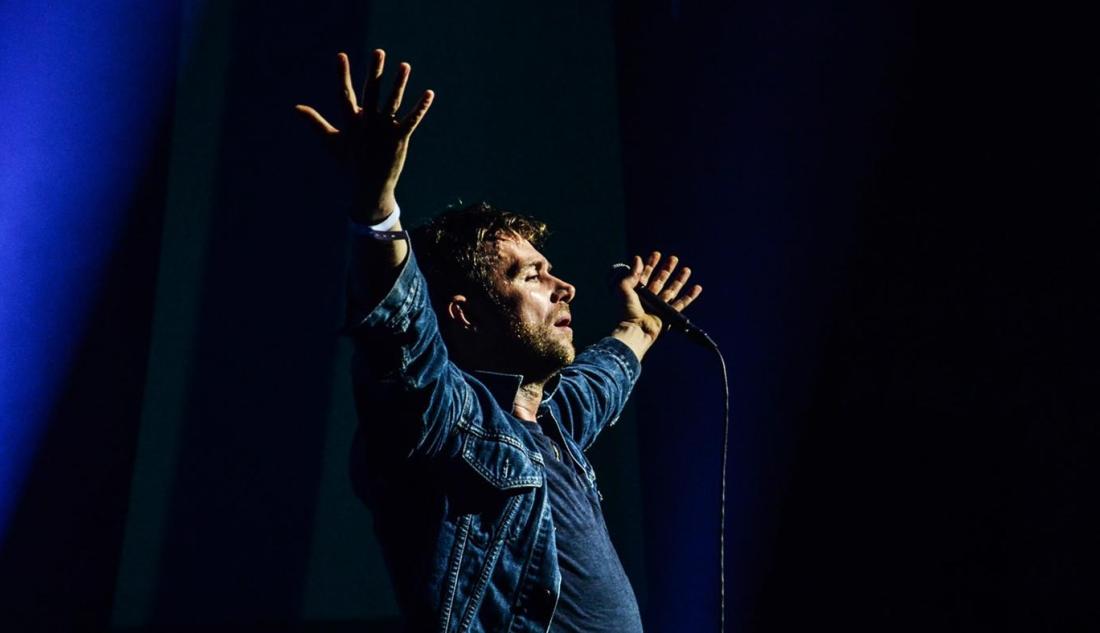
Première édition du festival Days Off
Chaque fin de saison, le festival Days Off célèbre les musiques actuelles, proposant un savant mélange entre créations, projets spéciaux, grands noms et découvertes. De 2010 à 2014, il se déploie à la Cité de la musique et à la Salle Pleyel. Depuis 2015, il investit les différents espaces de la Philharmonie de Paris.
2011
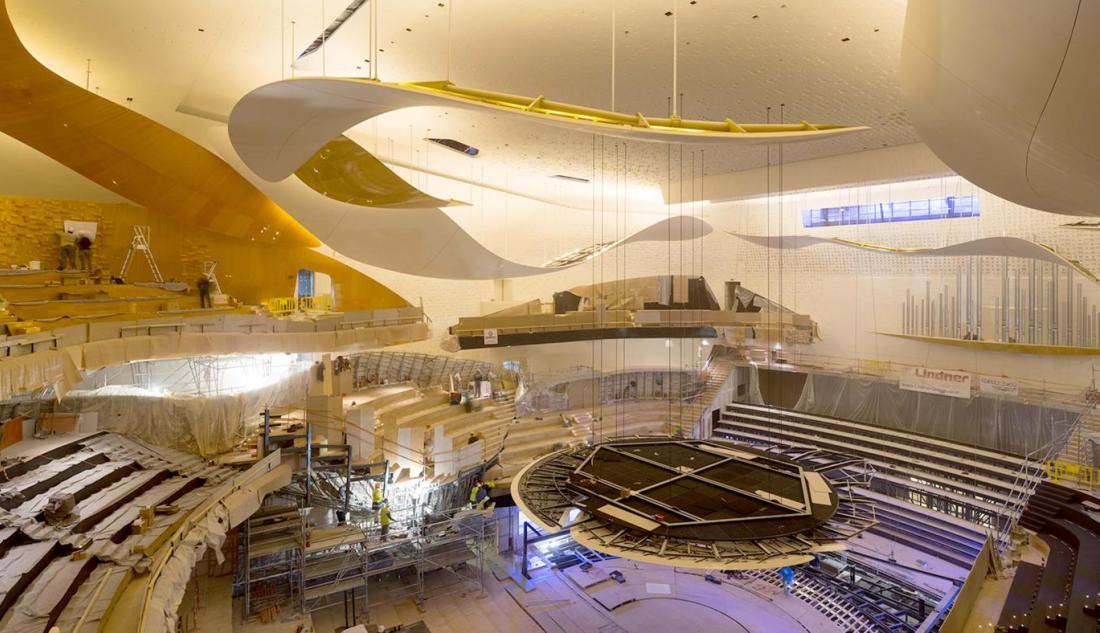
Début des travaux de la Philharmonie
L’architecte Jean Nouvel et l’acousticien principal de la future grande salle de concert, Sir Harold Marshall, font le pari d’une salle enveloppante et modulable, conjuguant une immersion du public dans l’espace et la musique avec une intimité d’écoute inédite. Le bâtiment doit également accueillir un espace d’exposition, de nombreuses salles de répétition et des ateliers pédagogiques.
2012
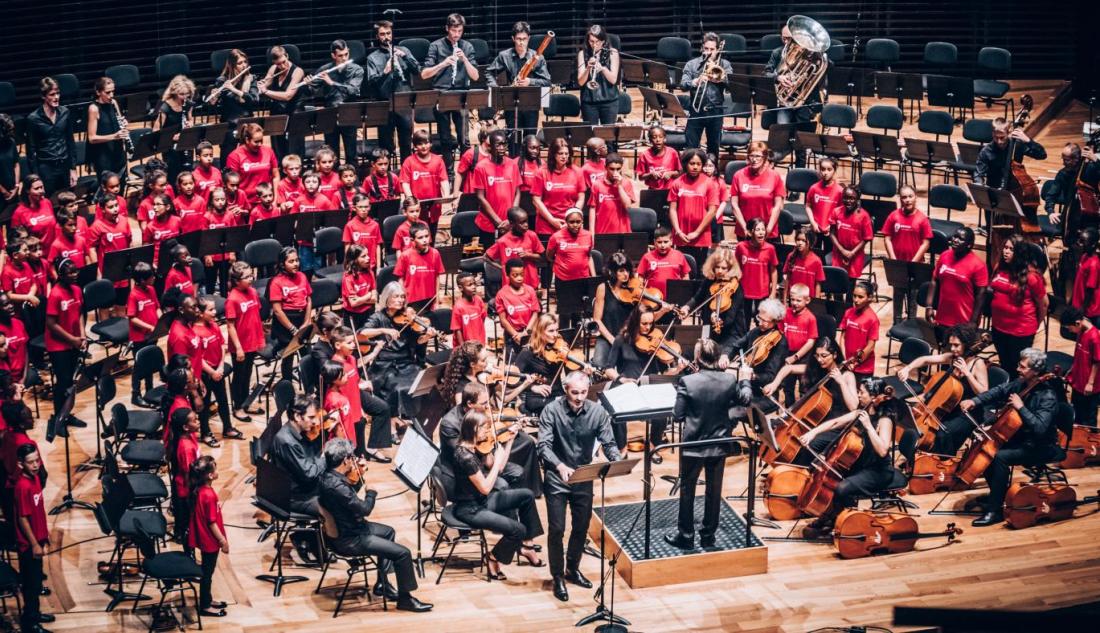
Début du déploiement national de Démos
Lancé deux ans plus tôt, le projet Démos prend de l’ampleur et essaime progressivement hors de l’Île-de-France. Début 2018, 30 orchestres regroupant plus de 3 000 enfants sont répartis entre la France métropolitaine et l’Outre-mer.
2014
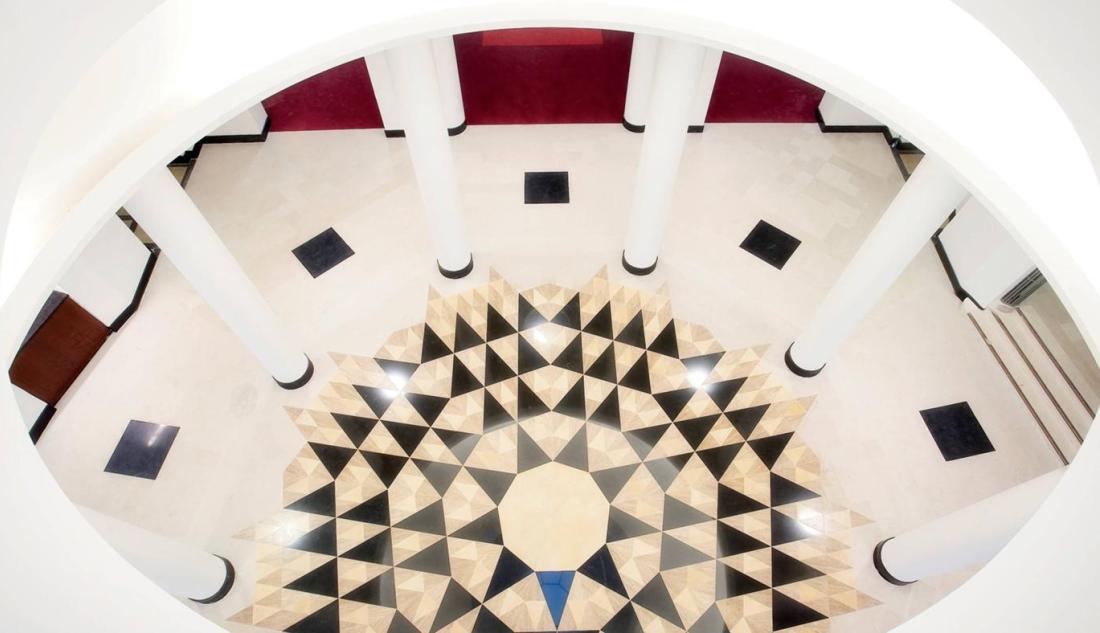
Concession de la salle Pleyel au groupe 3S Entertainment, filiale de Fimalac
Avec l’ouverture imminente de la Philharmonie de Paris, les équipes de la Cité de la musique vivent leur dernière saison à la Salle Pleyel en 2014. La salle est concédée au Groupe 3S Entertainment, qui y effectue de nouveaux travaux et oriente sa programmation vers les musiques actuelles.
2015
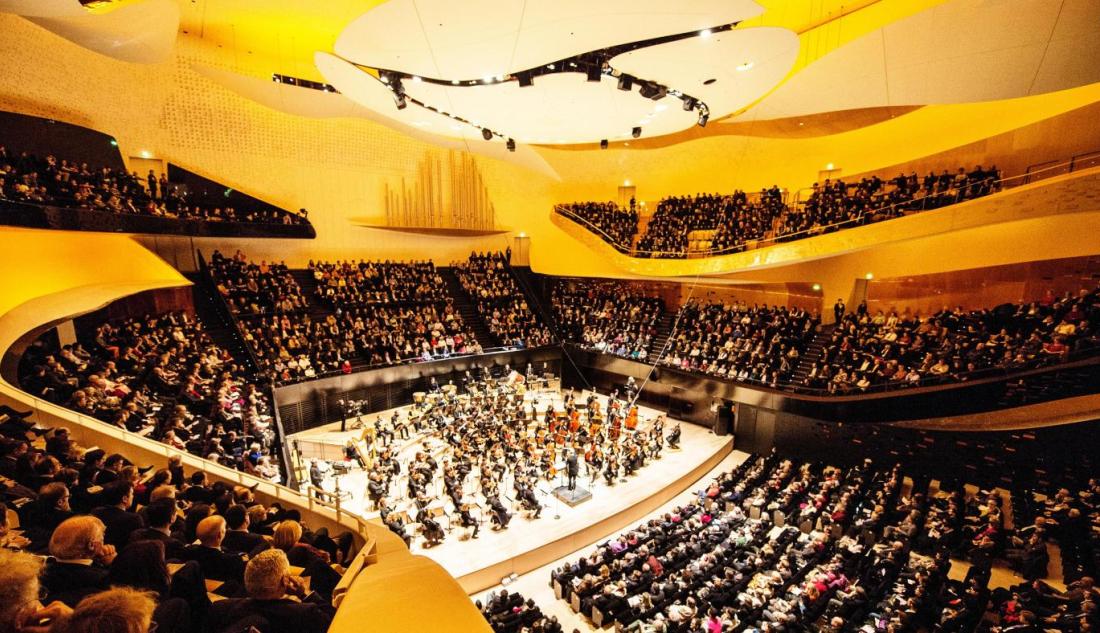
Inauguration de la Philharmonie
Les 14 et 15 janvier, deux concerts de gala ouvrent la première saison de la Philharmonie de Paris. Ils sont donnés par l’Orchestre de Paris, résident principal de l’institution, sous la direction de Paavo Järvi, et accueillent de nombreux solistes invités. Le concert du 14 janvier se déroule en présence du président de la République François Hollande.
2015
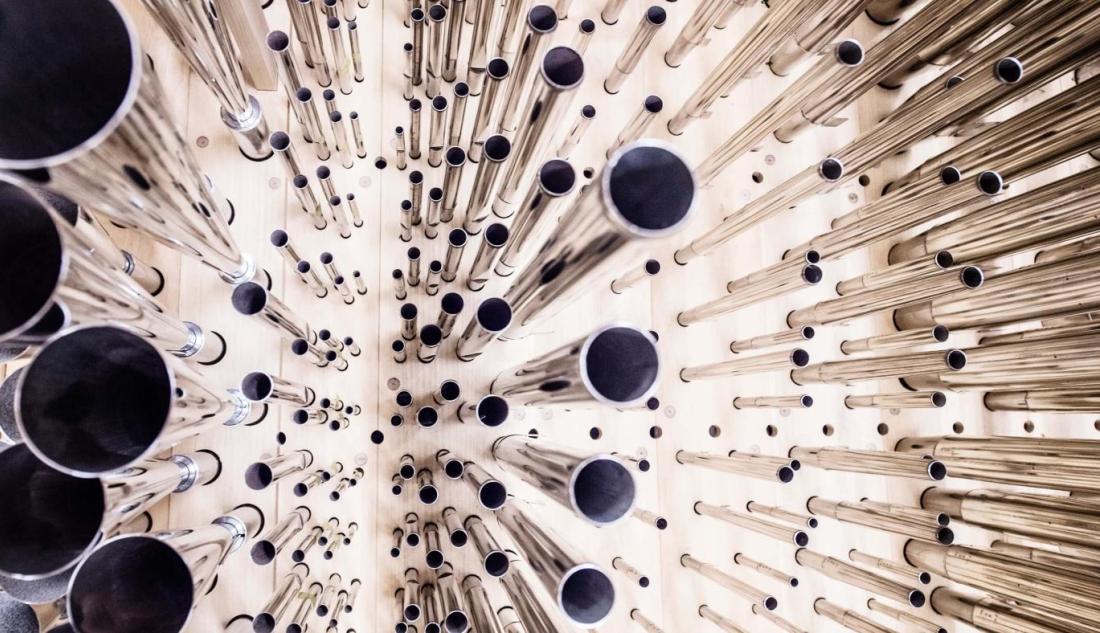
Inauguration de l'orgue de la Grande salle Pierre Boulez
Confectionné dans les ateliers autrichiens Rieger et harmonisé par le Français Michel Garnier, l’orgue de la Philharmonie est constitué de plus de 6 000 tuyaux, 91 jeux et 4 claviers. L’alliance d’une technique reposant sur une conception vieille de trois siècles et d’une traction électronique des plus modernes confère à cet instrument une identité unique.
2016
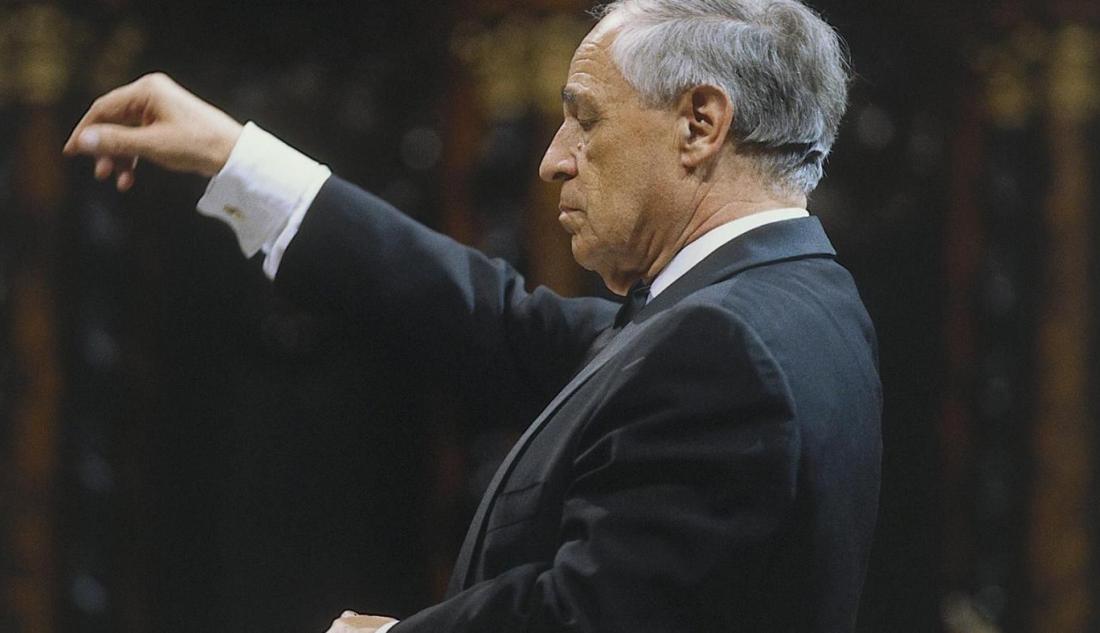
La Grande salle devient la Grande salle Pierre Boulez
La Philharmonie rend hommage à Pierre Boulez, disparu quelques mois plus tôt, en nommant sa grande salle de concert « Grande salle Pierre Boulez ». Compositeur et chef d’orchestre, fondateur de l’Institut de Recherche et Coordination Acoustique/Musique (Ircam), Pierre Boulez fut à la fois l’instigateur et l’ardent défenseur du projet de la Cité de la musique puis de la Philharmonie de Paris.
2017
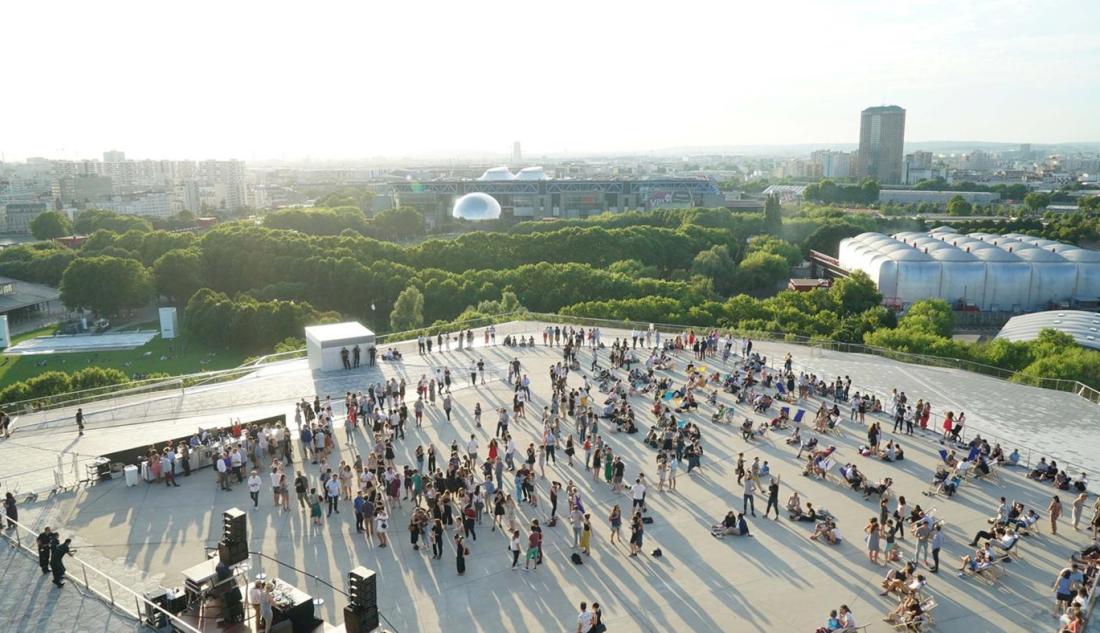
Premier concert sur le Belvédère
Pensée par Jean Nouvel comme une colline accessible au public, la Philharmonie dispose d’un Belvédère offrant un point de vue rare sur Paris et sa banlieue. À l’occasion du festival Days Off, cet espace de promenade se mue pour la première fois en lieu de musique et de fête.
2019
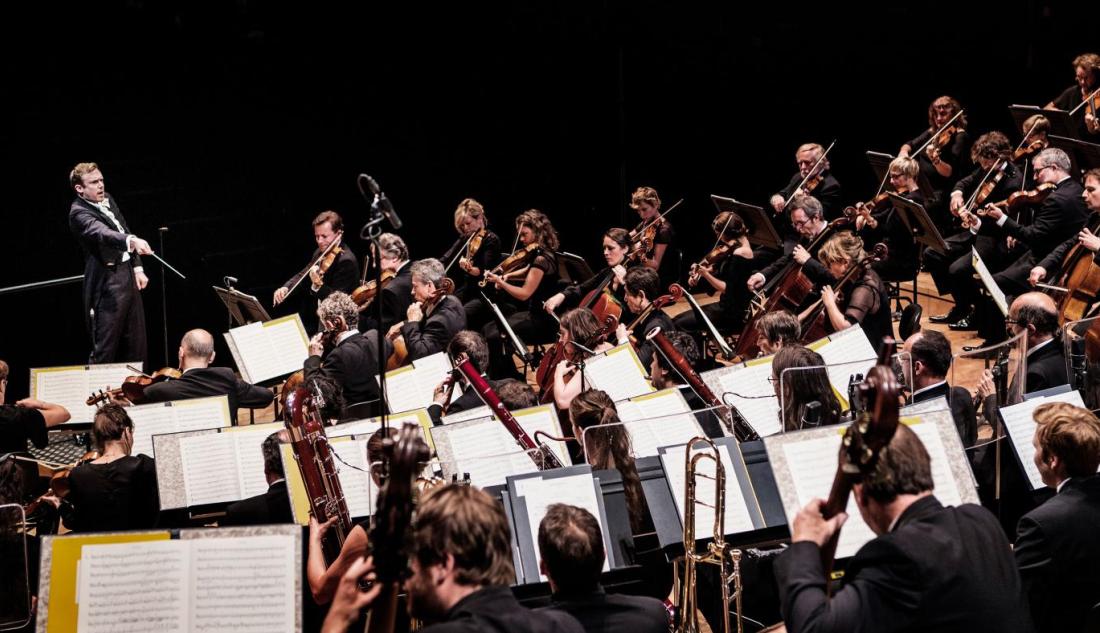
Intégration de l'Orchestre de Paris au sein de la Philharmonie de Paris
Le 1er janvier 2019, l’équipe de l’Orchestre de Paris intègre la Philharmonie de Paris sous la forme d’un département spécifique. Cette intégration renforce l’articulation de la programmation de l’Orchestre avec le projet artistique et pédagogique de l’établissement. Elle marque la volonté de relever de nouveaux défis communs.
2020
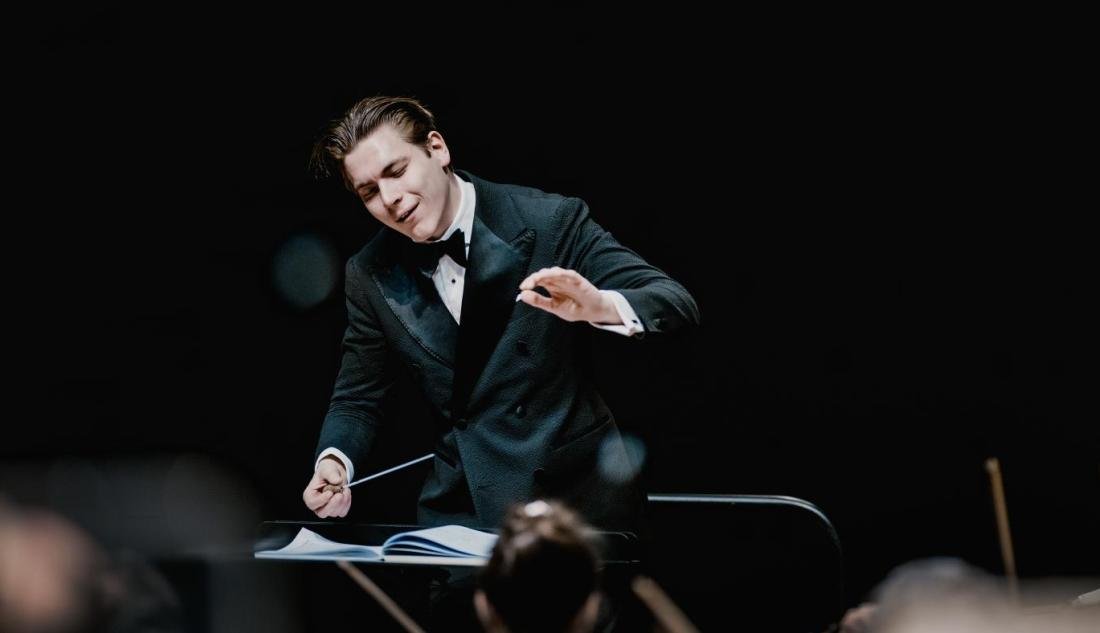
Klaus Mäkelä est nommé directeur musical de l’Orchestre de Paris
Né le 17 janvier 1996 à Helsinki, Klaus Mäkelä est un chef d’orchestre et violoncelliste finlandais. D’abord nommé conseiller musical de l’Orchestre de Paris en juin 2020, après une première collaboration un an plus tôt, il en devient le directeur musical à partir de septembre 2021.
2020
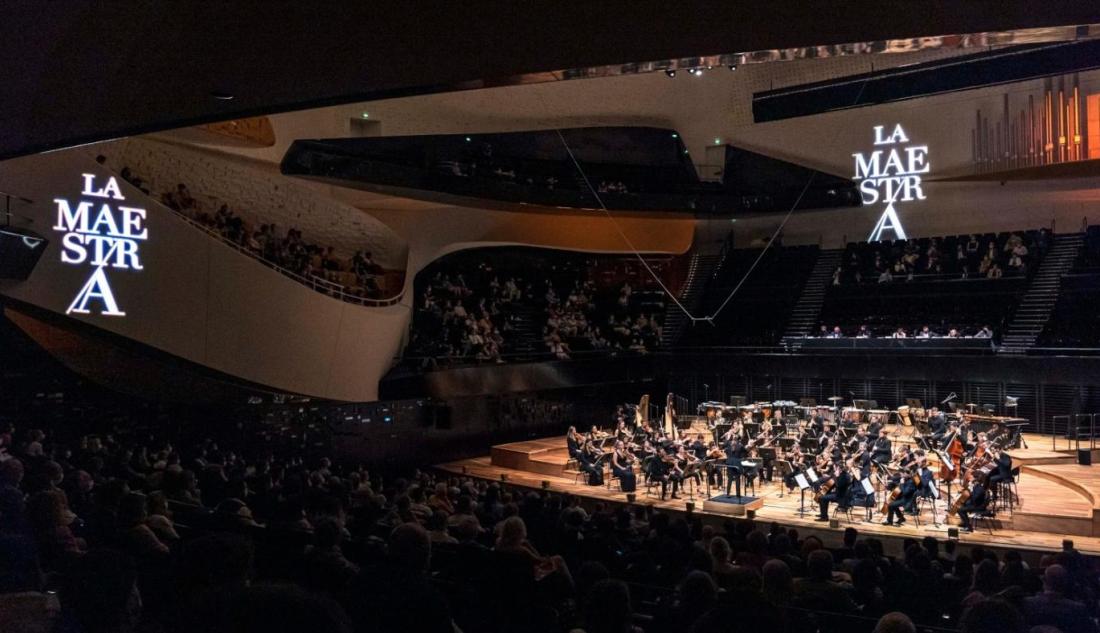
Première édition du concours La Maestra
Concours et académie de cheffes d’orchestre coproduits par le Paris Mozart Orchestra et la Philharmonie de Paris, La Maestra poursuit une triple volonté : susciter des vocations, fédérer le monde musical international autour d’engagements précis en faveur des cheffes d’orchestre, et offrir aux plus jeunes d’entre elles un soutien dont elles n’ont souvent pas pleinement bénéficié au cours de leur cursus de formation.
2021
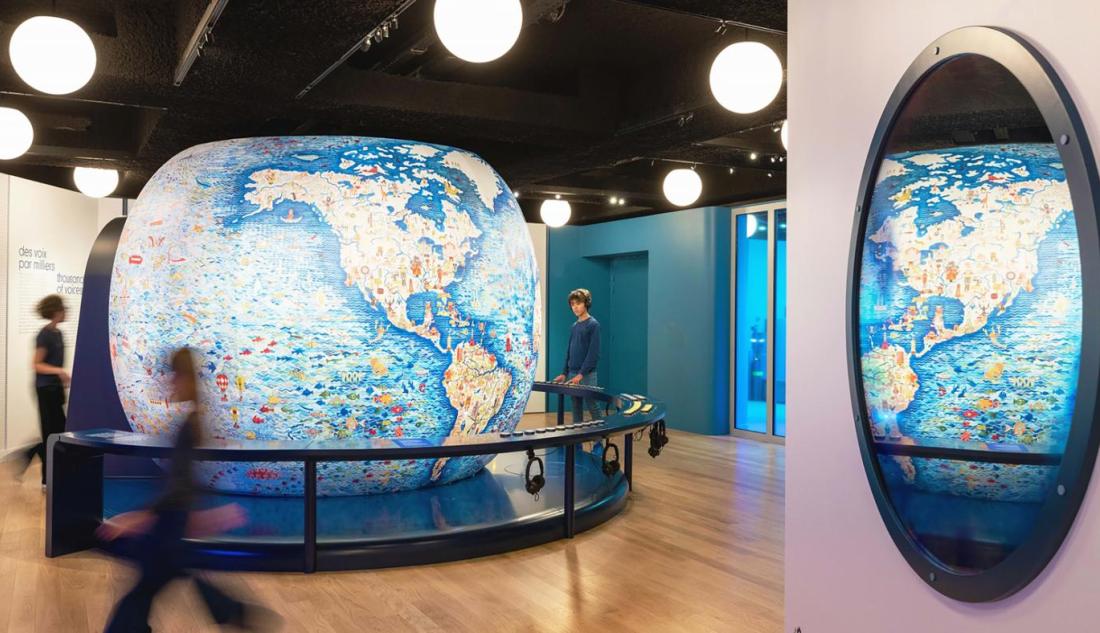
Ouverture de la Philharmonie des enfants
Déjà reconnue pour la qualité de sa pédagogie et pour la sensibilisation à la musique qu’elle propose à tous, la Philharmonie de Paris contribue plus largement encore à l’éveil artistique des plus petits avec l’ouverture depuis en septembre 2021 d’un lieu inédit. Dédié aux enfants de 4 à 10 ans, il leur offre l’opportunité de jouer, d’explorer, d’écouter, de vivre et de sentir la musique.
2021
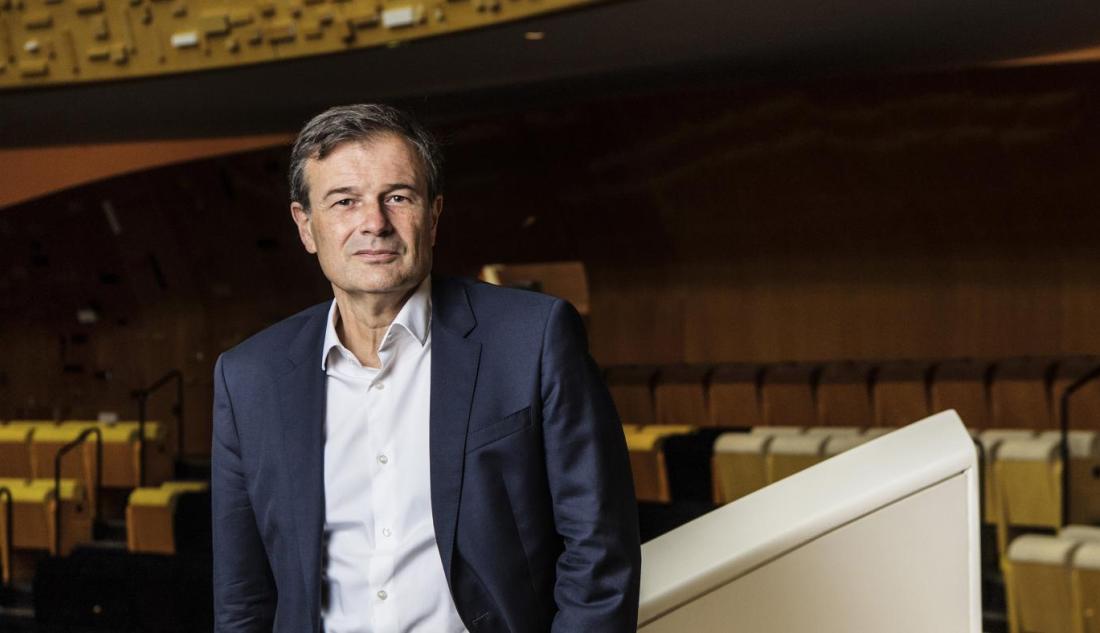
Olivier Mantei est nommé directeur général de l'établissement
À l’automne 2021, après avoir dirigé la Cité de la musique puis la Cité de la musique – Philharmonie de Paris pendant plus de deux décennies, Laurent Bayle quitte la direction de l’institution. Lui succède Olivier Mantei, alors directeur du Théâtre national de l’Opéra-Comique et depuis longtemps partenaire de la Cité de la musique – Philharmonie de Paris via de nombreux projets artistiques.
2023
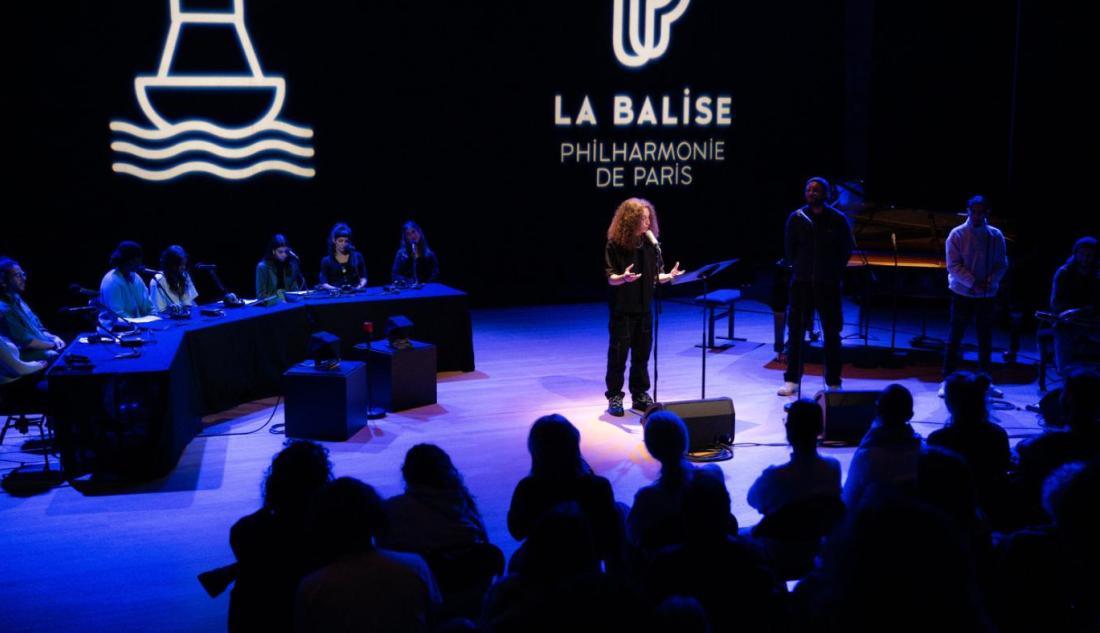
Première émission de La Balise
Le 14 décembre, la radio La Balise donne sa première émission en direct en public depuis la Salle de conférences de la Philharmonie. Intitulé « La vie est une scène », le programme réalisé par La Balise, les jeunes animateurs du média l’Étincelle et le violoncelliste et musicologue Martin Barré interrogeait le trac sous toutes ses facettes.
2025
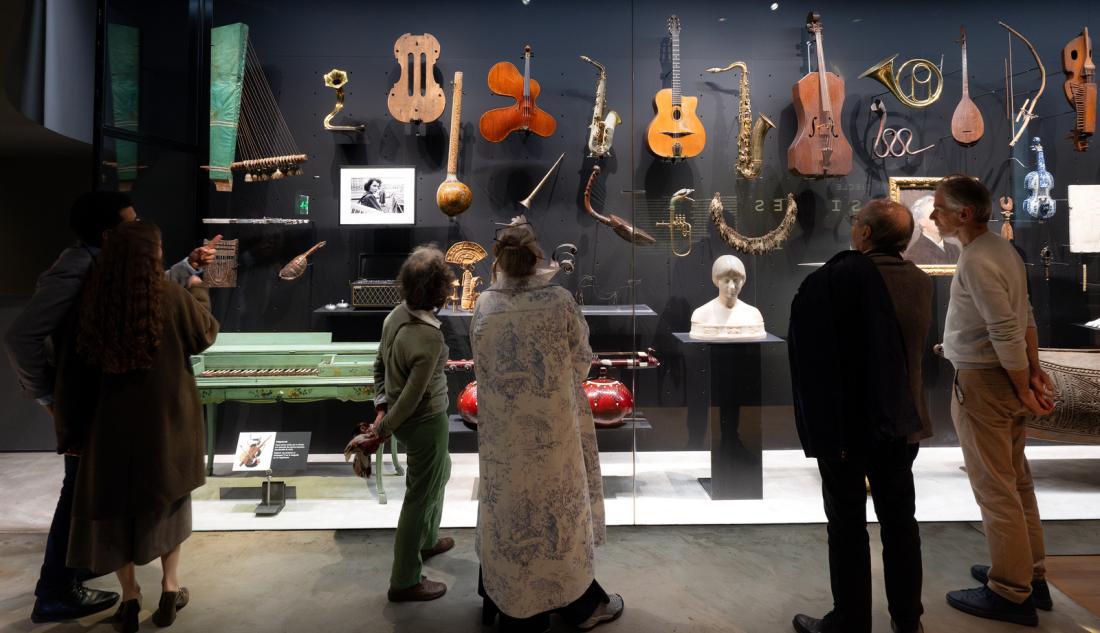
Nouvelle présentation de la collection permanente du Musée de la musique
Pour accompagner le trentième anniversaire de la Cité de la musique, le Musée de la musique dévoile le 14 mai 2025 une nouvelle présentation de sa collection permanente proposant un redéploiement des instruments d’Afrique, d’Asie, d’Océanie et des Amériques à travers l’ensemble du parcours. Cette muséographie plus inclusive favorise la reconnexion des patrimoines musicaux à travers le monde, tout en illustrant leurs évolutions historiques et leurs dynamiques contemporaines.
2025
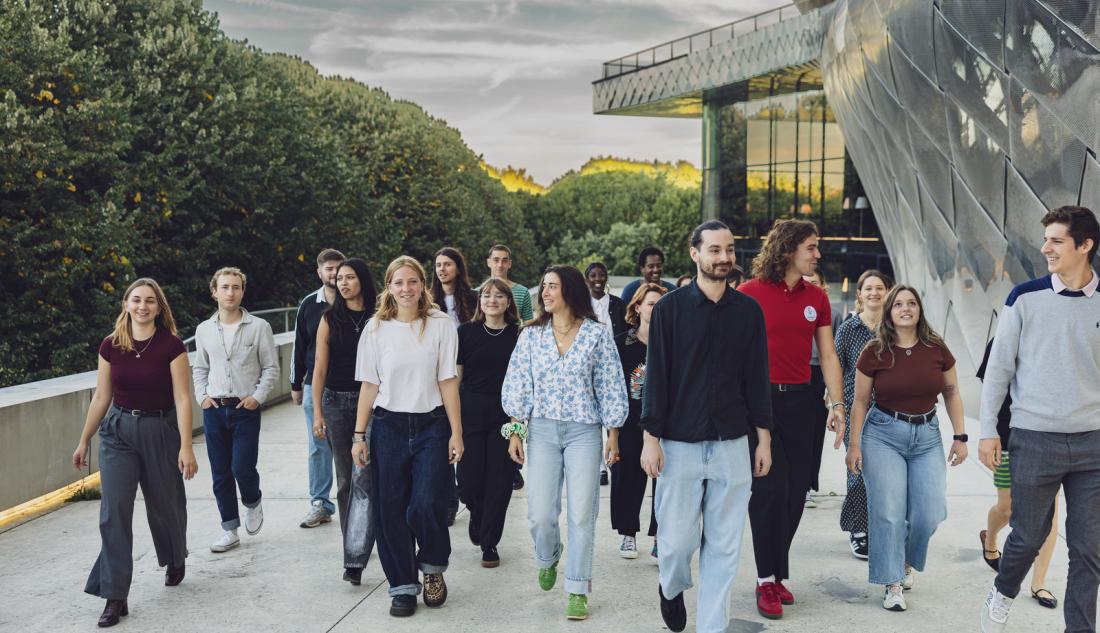
L’École de la Philharmonie de Paris
À l’occasion de son dixième anniversaire, la Philharmonie de Paris crée une École dédiée à la production de spectacle vivant dans le domaine musical proposant à une trentaine d’étudiants et étudiantes un nouveau modèle d’enseignement, en immersion au sein des équipes de la Philharmonie. Une première expérience de trois mois a lieu sous la forme d’une « école d’automne » en septembre 2025, avant une ouverture complète, en formation initiale et en formation continue, en septembre 2026.
2026
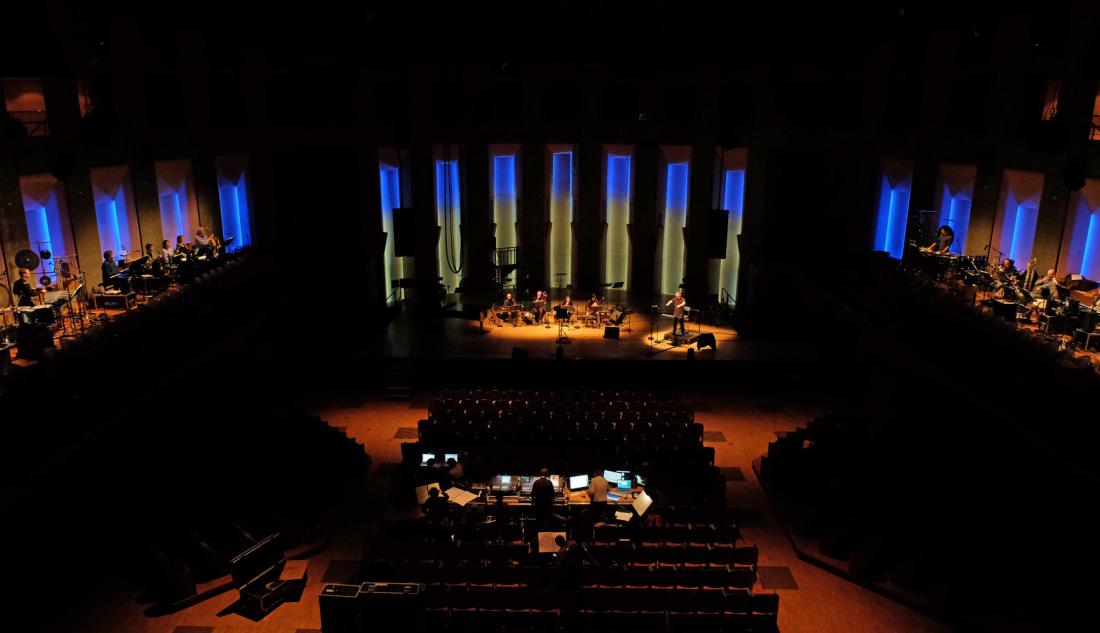
Intégration de l’Ensemble intercontemporain au sein de la Philharmonie de Paris
Le 1er janvier 2026, l’Ensemble intercontemporain, résident à la Cité de la musique depuis son ouverture, est pleinement intégré à la Philharmonie de Paris. Le renforcement des liens entre les deux structures réaffirme leur attachement commun à la création musicale contemporaine dans toutes ses esthétiques.